
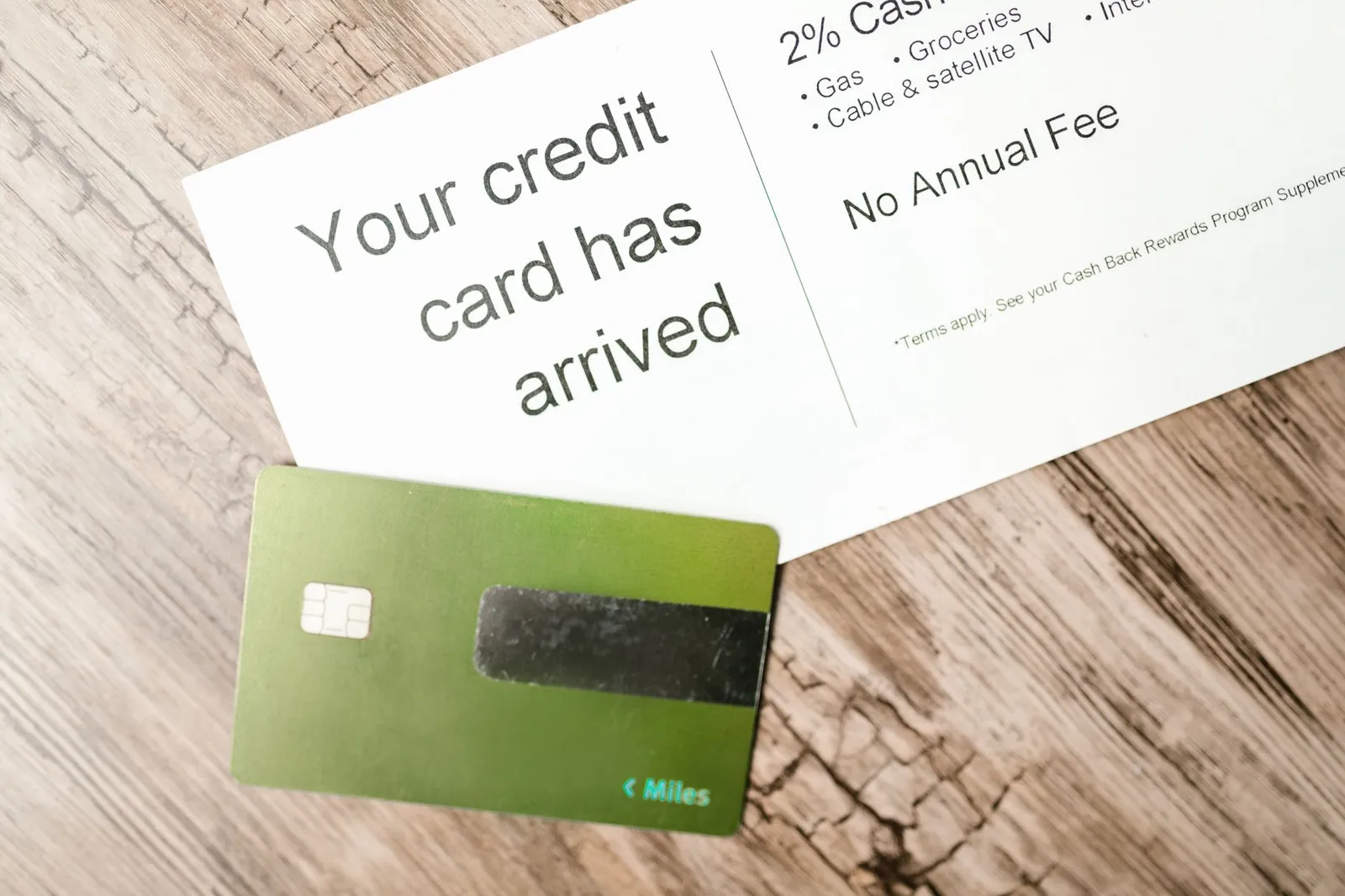
Instant Approval Credit Cards: How Fast Can You Really Get a Card?
Getting an instant approval on your credit card application doesn't always mean you can start spending that same minute. Some issuers hand you a working virtual card number within minutes; others make you wait a week or more for the plastic to show up in your mailbox. Here's how the process actually plays out, card by card, credit tier by credit tier.
Key takeaways
- Instant approval is an automated underwriting decision — your card number may still take minutes, days, or a week to reach you depending on the issuer.
- A handful of major issuers, including Discover and Capital One, provide a usable virtual card number shortly after approval so you can shop online right away.
- Your credit tier heavily shapes the outcome: subprime applicants face tighter odds and deposit requirements, while scores above 670 unlock the most competitive instant-use offers.
- Running a soft-pull prequalification check before applying lets you gauge your odds without triggering a hard inquiry on your credit report.
- If your application lands in pending review, a human is verifying details the algorithm flagged — calling the issuer's reconsideration line can speed up that process.
What 'Instant Approval' Actually Means
Instant approval really just means an automated underwriting decision — not a guaranteed yes. Submit your application, and the issuer runs a hard pull on your credit report while an algorithm scores your file against its lending criteria in a matter of seconds. Clear the bar, and you'll see a yes on screen almost immediately.
But that yes isn't the same thing as instant use. Approval means the issuer agreed to open an account for you. Instant use means you can actually swipe, tap, or check out online with that account right now. According to Discover, these are two separate milestones, and not every approved applicant reaches the second one. Instant use depends entirely on whether the issuer generates a virtual card number tied to your new account.
Why Some Applications Stall
Not every application ends in a clean yes or no, either. Some land in a pending review queue, where a human eventually looks at your file because the automated system couldn't confidently verify something about you. We'll cover that scenario in detail later, but it's worth knowing upfront: pending is a real, fairly common third outcome.
Even when the decision itself is instant, the physical card isn't. Standard mail delivery for a new credit card typically takes 7 to 10 business days from approval, according to issuer processing timelines cited by CreditCards.com. "Instant" describes the decision engine here, not the postal system.
Cards That Give You a Virtual Card Number Right Away
A handful of major issuers actually back up their instant approval marketing with a real instant-use mechanism. Here's who currently delivers a usable virtual card number before the physical card ships — and what you can expect from each one.
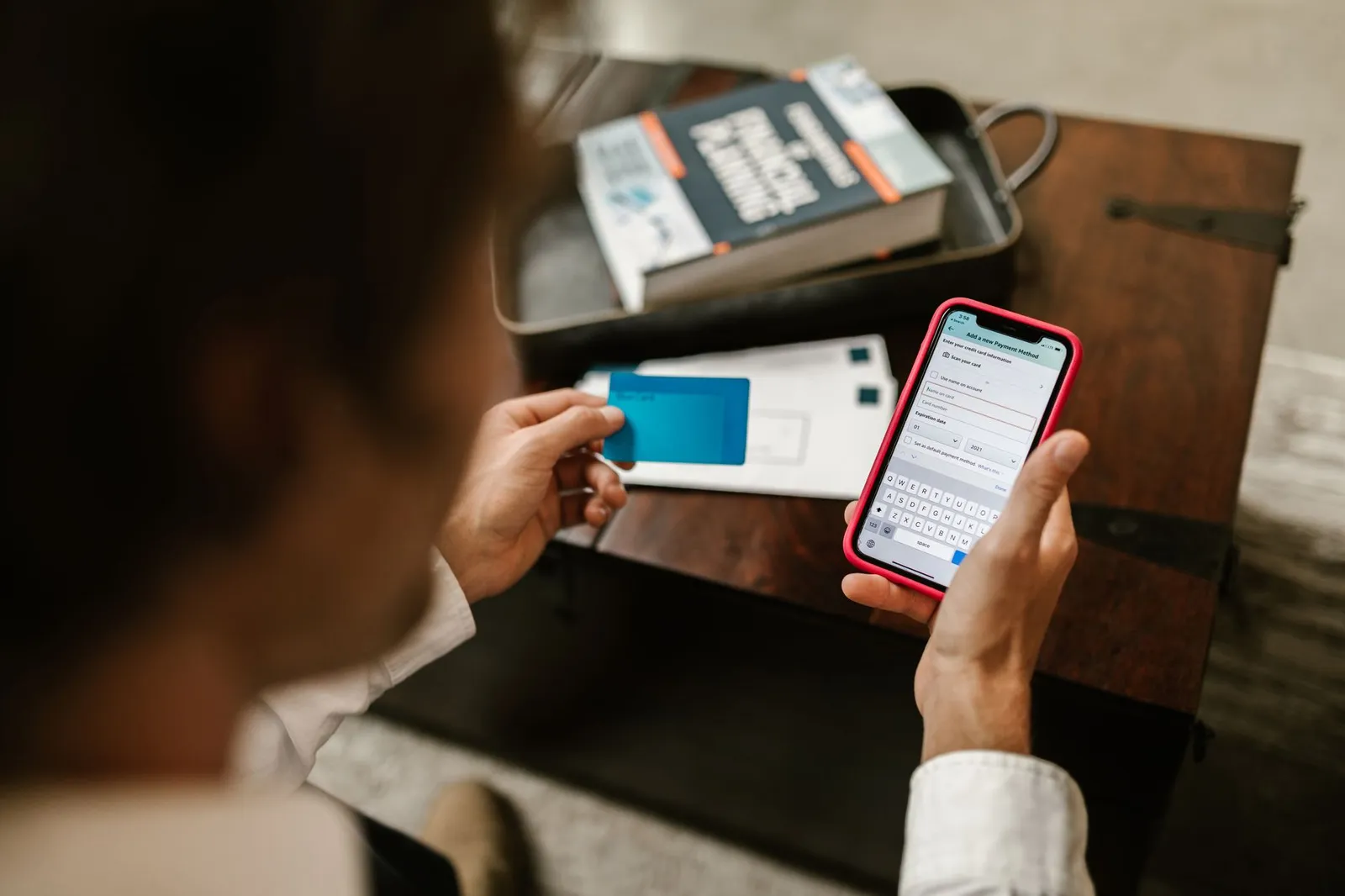
- Discover: Eligible new cardholders can receive a virtual card number usable for online purchases within minutes of approval. You access it by logging into the Discover app or your online account dashboard, where the number, expiration date, and CVV appear once your account is provisioned, per Discover.
- Capital One: Select no-deposit cards offer instant approval paired with instant use, meaning you don't need to fund a security deposit before spending. The virtual number shows up in the Capital One mobile app shortly after your account is approved, according to Capital One.
- Subprime-focused cards: Products like the Aspire Cash Back Rewards Mastercard and the PerPay Credit Card are marketed specifically to applicants with bad or thin credit and advertise fast decisions. Instant-use availability on these cards varies by product and issuer terms, so confirm before assuming you'll have a spendable number the same day, as noted by Firstcard.
- Getting to your number: Once approved, log in immediately rather than waiting for a confirmation email. Most issuers display the card number, expiration date, and CVV directly on the account dashboard, ready to copy into a digital wallet or online checkout form.
Approval Odds by Credit Profile
Your FICO score is the single biggest lever in whether you get an instant yes, a pending review, or a fast decline. The table below breaks down realistic expectations by tier.

| Credit Tier | FICO Range | Realistic Card Options | Instant Decision Likelihood |
|---|---|---|---|
| Subprime / bad credit | Below 580 | Secured cards, credit-builder cards (e.g., Aspire, PerPay) | Possible but not guaranteed; limits are minimal |
| Fair credit | 580–669 | Wider range of unsecured cards | Common, though limits often start low |
| Good to excellent credit | 670 and above | Full card selection, premium rewards cards | Highest odds of instant yes and instant use |
If you're in the subprime range, secured or credit-builder products are your practical starting point. Instant decisions do happen at this tier, but approval is far from guaranteed, and even a yes usually comes with a modest credit limit tied to a deposit or income verification.
Fair credit opens up a noticeably wider menu of unsecured cards, and instant decisions become the norm rather than the exception. Limits still tend to stay conservative until the account racks up a few months of on-time payment history. Once you hit 670 or above, though, you're in the zone where issuers actually compete for your business — approval odds climb, and instant-use virtual numbers are far more likely to be part of the deal.
Before you apply anywhere, run a pre-qualification check first. Capital One and Discover both offer pre-approval tools that use a soft pull, which has zero impact on your score, according to NerdWallet. It's a low-risk way to gauge your odds before a hard inquiry ever lands on your report.
Using Your Card Before It Arrives
A virtual number only helps you if you know exactly how to use it. Follow these steps in order the moment your approval notice hits your inbox.
- Log in to the issuer's app or website immediately after approval and locate your virtual card number, expiration date, and CVV — this information is usually displayed right on the account dashboard, not buried in a separate menu.
- Add the virtual number to a digital wallet such as Apple Pay or Google Pay so you can make contactless, in-store purchases at any merchant with a tap-to-pay terminal.
- Use the virtual number directly for online shopping and recurring subscriptions. Some merchants, especially those that require a physical card imprint or in-person ID verification, won't accept a virtual number at all.
- Watch your email and account notifications for the physical card's shipping update, and activate it the moment it arrives — typically within 7 to 10 business days — so there's no gap in access once the virtual number's temporary use case runs its course.
When 'Instant' Turns Into 'Pending Review'
A pending review happens when the automated system can't confidently verify your identity or credit history in real time. Common triggers include a recent address change that doesn't match bureau records, a credit file too thin for the algorithm to score with confidence, or an active fraud alert placed with one of the bureaus.
The wait can run anywhere from a few days to as long as 30. If the application ends up denied, the Fair Credit Reporting Act (FCRA) requires the issuer to send a written adverse action notice specifying the exact reason — so you're never left guessing why.
What to Do While You Wait
Calling the issuer's reconsideration line is usually your fastest path forward. Most major banks publish this number specifically so applicants stuck in review can speak with a live underwriter and clarify details, like income or a recent move, that tripped up the automated system.
Get denied, and the FCRA also entitles you to a free copy of the credit report the issuer used to make its call. Fix whatever the notice cites — a reporting error, a high utilization ratio, whatever it is — and give it three to six months before reapplying. That gap genuinely improves your odds next time, since a fresh hard inquiry paired with a recently declined application can work against you.
The Real Timeline You Should Plan Around
If your FICO score sits comfortably above 670 and you apply with an issuer like Discover or Capital One, expect a decision in seconds and a spendable virtual number within minutes, assuming the card qualifies for instant use. Below that range, budget for a slower ride: a possible pending review, a lower starting limit, and a physical card that still takes over a week to reach your mailbox no matter how fast the approval itself was.
Visa and Mastercard both process virtual numbers the same way once an issuer provisions them, so the network on your card matters far less than the issuer's own instant-use policy. Check that policy before you apply, not after, and you'll know exactly what you're getting the moment the approval screen pops up.
Frequently asked questions
How fast can I actually use an instant approval credit card?
If the issuer provides a virtual card number — as Discover and Capital One do — you can shop online within minutes of approval by logging into the app and copying the number, expiration date, and CVV into checkout. Approval and instant use are two separate milestones, though. Without a virtual number, you're waiting 7–10 business days for the physical card.
Does applying for an instant approval card hurt my credit score?
Yes. Every formal application triggers a hard inquiry, which can trim your score by a few points temporarily. If you want to test your odds first, Capital One and Discover both offer pre-qualification tools that rely on a soft pull — those have zero impact on your score.
Can I get instant approval with bad credit?
Some products are specifically built for bad or thin credit — the Aspire Cash Back Rewards Mastercard and the PerPay Credit Card both advertise fast decisions at the subprime tier. That said, instant decisions at this level often come with modest limits tied to a deposit or income check, and approval is never guaranteed no matter what the marketing says.
What does 'pending review' mean after I applied?
It means the automated underwriting system flagged something it couldn't confidently verify, so a human underwriter will review your file. That process can take a few days to 30 days. Calling the issuer's reconsideration line is typically the fastest way to move things along rather than waiting for a letter.
Is an instant approval credit card the same as a secured card?
No — these are entirely separate attributes. Instant approval describes how quickly the issuer renders a decision, not what kind of card you're getting. You can receive an instant decision on a secured card, an unsecured card, a rewards card, or a student card; the two characteristics are independent of each other.