
How Many Credit Cards Should You Have?
There's no magic number of credit cards that fits every wallet out there. How many makes sense for you really comes down to your credit history, your current score, and honestly, how good you are about remembering due dates. This guide digs into what the data actually shows, then helps you land on a number that fits your own financial situation.
Key takeaways
- Two to three cards is the sweet spot for most people — enough to keep utilization low without turning payment tracking into a part-time job.
- High scorers typically hold four or five accounts, but those cards accumulated over years of responsible use — the score came first, not the cards.
- Pairing cards from at least two different issuers protects you if one issuer freezes or closes your account unexpectedly.
- Every new application triggers a hard inquiry; opening several cards in quick succession compounds the score impact instead of spreading it out.
- Annual fees on overlapping premium cards can quietly erase your rewards gains if your actual spending doesn't hit the bonus categories.
What the Data Says About Card Count and Credit Scores
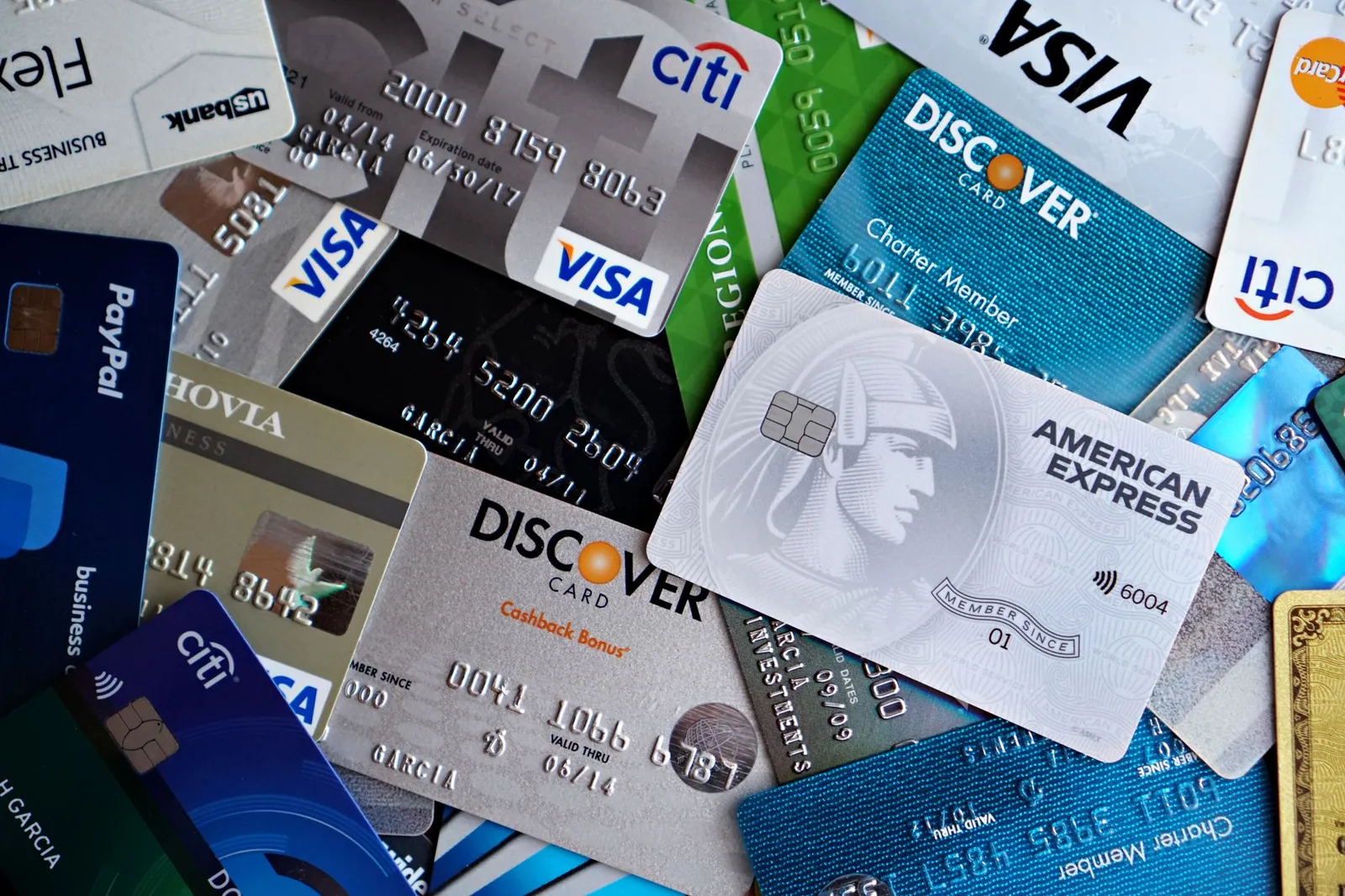
Most credit experts land on the same starting point: two to three open cards. That's not just some arbitrary round number, either — it's the sweet spot where your utilization stays low without turning into a juggling act.
The Two-to-Three Card Baseline
Equifax and MetLife both back up two or three accounts as the go-to range for keeping your credit utilization ratio in healthy territory. Here's why: holding multiple cards bumps up your total available credit, and that extra breathing room naturally drags your balance-to-limit percentage down. That ratio, by the way, is one of the most heavily weighted factors in FICO scoring.
What FICO 800+ Scorers Have in Common
Research from BeOnPath found that consumers with a FICO score above 800 average four to five open credit card accounts. But context matters a lot here. Those cards didn't all show up at once — they built up over years of on-time payments and low balances.
That's exactly why the account count follows the score, not the other way around. Credit mix plays a role too. A blend of revolving cards and installment loans, like an auto loan or mortgage, factors into both FICO and VantageScore models, so branching out beyond just cards gives you another way to strengthen your profile.
The Real Benefits of Carrying Multiple Cards
- Issuer diversification: personal finance commentator Clark Howard recommends holding cards from at least two different issuers, so a single account freeze or unexpected shutdown never cuts off your entire line of credit.
- Rewards stacking: pairing a flat-rate cash-back card with a category card for groceries, gas, or travel consistently captures a higher blended return than relying on one card for everything.
- Lower per-card utilization: spreading purchases across two or three cards keeps each individual balance low relative to its limit, which scoring models reward more than one card carrying a high balance.
- Backup access: using one card for everyday spending and a second for travel perks or emergencies removes the single point of failure that comes with losing or having one card compromised.
The Risks of Having Too Many Accounts
More cards mean more moving parts. And past a certain point, the math starts working against you instead of for you.
Tracking Overload and Missed Payments
Equifax points out that once you cross three cards, your odds of missing a payment climb fast. Due dates, minimum payments, reward redemption windows — they all start multiplying, and it only takes one slip-up to leave a late-payment mark that sticks around on your credit file for years.
The Application and Fee Trap
Every new application triggers a hard inquiry and a small, temporary dip in your score. Apply for three cards in the same month, and that damage piles up instead of spreading out.
Having more open accounts also tempts you to carry balances month to month, which quietly cancels out the utilization benefit that got you to open the extra card in the first place. Annual fees add up the same way.
Stack a few premium cards with overlapping bonus categories, and your rewards strategy can turn into a net loss if your spending doesn't actually hit those categories.
The Right Number of Credit Cards for Your Financial Profile
| Profile | Recommended Count | Why It Fits |
|---|---|---|
| First-time cardholder or rebuilding credit | One secured or starter card | Payment history needs to build cleanly before anything else — extra cards only add risk at this stage. |
| Average consumer managing everyday spending | Two to three cards | Matches the practical guidance from Equifax, MetLife, and Hudson Valley Credit Union for most Americans. |
| Rewards optimizer with a 700+ FICO score | Three to five cards | Chosen for complementary bonus categories with no overlapping annual fees eating into returns. |
| Small business owner | One business card plus one personal card | Keeps expenses cleanly separated and maximizes business-specific perks and reporting. |
Still not sure which situation fits you? Sunflower Bank frames one card as plenty for most people who mainly want a buffer for emergencies or a rough patch financially. It's a good reminder: more cards only pay off once you can actually manage them without missing a due date.
Frequently asked questions
Does having multiple credit cards hurt your credit score?
Not inherently. Hard inquiries at application cause a brief dip, but they typically drop off within 12 months. Holding two to three cards responsibly — paying on time and keeping balances low — actually works in your favor, since spreading purchases across cards reduces per-card utilization, one of the most heavily weighted factors in FICO scoring.
What is the ideal number of credit cards for building credit?
One to two cards is the practical starting point. A single card establishes your payment history, and a second from a different issuer diversifies your credit mix without turning due-date tracking into a chore. Both Equifax and MetLife cite two to three accounts as the range where utilization stays healthy without overcomplicating things.
How many credit cards do people with excellent credit have?
Consumers with FICO scores above 800 average four to five open credit card accounts, according to BeOnPath data. The important caveat: those accounts accumulated over years of on-time payments and low balances. The high score came first — the card count followed from responsible use, not the other way around.
Is it bad to have too many credit cards?
Yes, past three or four accounts the risks start outweighing the rewards. Equifax notes that your odds of missing a payment climb once you cross three cards, and a single late payment can leave a mark on your credit file for years. Stacking annual fees on cards with overlapping bonus categories can also turn a rewards strategy into a net loss.
Should I cancel old credit cards I no longer use?
Usually no. Closing an old card shrinks your total available credit, which pushes your utilization ratio up and can shorten your average account age — both moves that tend to lower your score. Keeping it open with a zero balance preserves that credit history without costing you anything, as long as there's no annual fee eating into your budget.