
Best Gas Credit Cards in 2026: Save at the Pump Every Fill-Up
Gas prices bounce around week to week. Your credit card's rewards rate doesn't have to. Pick the right one and you can shave 3% to 5% off nearly every fill-up, whether you're commuting 40 miles a day or running a two-truck delivery outfit. This guide breaks down which card wins for which type of driver, including EV owners and fleet operators most gas roundups conveniently ignore.
Key takeaways
- A dedicated gas rewards card can outperform a flat-rate cash back card by a significant margin if fuel is a major monthly expense — even after accounting for an annual fee.
- Spending caps matter: many top-earning gas cards cap the bonus rate at $500 per billing cycle, so tracking your monthly fuel spend against that limit is essential.
- Fuel loyalty programs and gas credit cards aren't competitors — stacking both on the same transaction lets you collect a per-gallon discount and card rewards simultaneously.
- Costco and Walmart fuel purchases often code as warehouse or retail — not gas stations — so you may miss the bonus rate even when pumping at the pump.
- EV drivers shouldn't assume coverage: only cards that explicitly list charging networks in their bonus-category terms will reliably earn elevated rewards at the charger.
How Gas Rewards Actually Work
A flat-rate cash back card like the Citi Double Cash Card, paying 2% on everything, sounds simple enough. But a card offering 5% specifically at gas stations can out-earn it by a wide margin if fuel eats up a real chunk of your monthly budget. That gap matters more than most people realize when weighing a no-annual-fee card against one that charges a fee — the earn-rate difference on gas alone can cover that fee several times over.
Bonus categories almost always come with a spending cap. Take the Citi Custom Cash: it pays 5% on your top eligible category, but only up to $500 in spending per billing cycle, according to Experian. Blow past that limit and the rest of your gas purchases that cycle drop to the card's base rate, usually 1%. So yes, tracking your monthly fuel spend against the cap actually matters.
Where the Bonus Doesn't Apply
Not every place you buy gas gets coded as a 'gas station' by your card issuer. Fuel at Costco or Walmart often processes under a general retail or warehouse club code instead, which means you could miss the bonus rate entirely — even though you're pumping the exact same gasoline. If you fill up regularly at a big-box retailer, check your card's terms before assuming you're earning the elevated rate.
None of this works if you're carrying a balance. Gas rewards cards typically charge APRs in the high teens to low 20s, and interest at that rate can wipe out a month or two of cash back gains almost instantly. The math only favors you if you pay your statement balance in full, every single cycle.
Best Credit Cards for Gas Stations in 2026
Five cards consistently rise to the top in independent gas rewards comparisons this year, based on data from NerdWallet, CNN Underscored, and US News Money. Each one targets a different kind of driver — from someone who fills up occasionally to a heavy daily commuter.
| Card | Gas Earn Rate | Annual Fee | Best For |
|---|---|---|---|
| Citi Custom Cash Card | 5% on top eligible category, up to $500/month | $0 | Occasional drivers who want gas fully optimized |
| Blue Cash Everyday Card from American Express | 3% at U.S. gas stations | $0 | Everyday drivers wanting a straightforward flat bonus |
| Bank of America Customized Cash Rewards | 3% in a category you choose, including gas | $0 | Bank of America customers who can add Preferred Rewards |
| Discover it Chrome | 2% at gas stations and restaurants, up to $1,000/quarter combined | $0 | Drivers who also eat out often |
| Citi Strata Premier Card | 3x points on gas, including EV charging | $95 | Mixed spenders who also travel and dine out |
Every card on this list except the Strata Premier carries no annual fee, which matters a lot if you're optimizing purely for pump savings and don't want a card demanding heavy spending elsewhere just to justify its cost. Sign-up bonuses can tack on a few hundred dollars of first-year value with some of these cards, but think of that as a tiebreaker, not the main reason to pick one over another. The ongoing earn rate is what actually pays you back, year after year.
Gas Station Rewards vs. Fuel Loyalty Programs
Fuel loyalty programs and gas rewards credit cards tackle the same problem from different angles, and knowing the difference changes how much you actually save. Programs like Shell Fuel Rewards or Kroger Fuel Points shave cents off the per-gallon price, and you earn those discounts through grocery trips, convenience store purchases, or partner spending — not through your credit card's rewards structure.
Why Stacking Works
Here's the good part: most loyalty programs let you pay with any card at the pump, including your gas rewards card, and still get the per-gallon discount. So you can swipe a card earning 3% cash back while simultaneously redeeming a loyalty discount of, say, 10 cents off per gallon. Two savings mechanisms stacking on the same transaction, with zero extra effort on your part.
Where Loyalty Programs Fall Short
The catch? Fuel loyalty discounts are usually capped, often around 20 gallons per fill-up, and only apply within a specific station network. If you split your fill-ups between Shell, a regional chain, and highway travel plazas on road trips, you won't get consistent value from any single program. But for drivers who stick to one chain near home, pairing that free program with a no-annual-fee cash back card tends to be the highest-yield combo out there — and it costs nothing extra to maintain.
Cards That Cover EV Charging
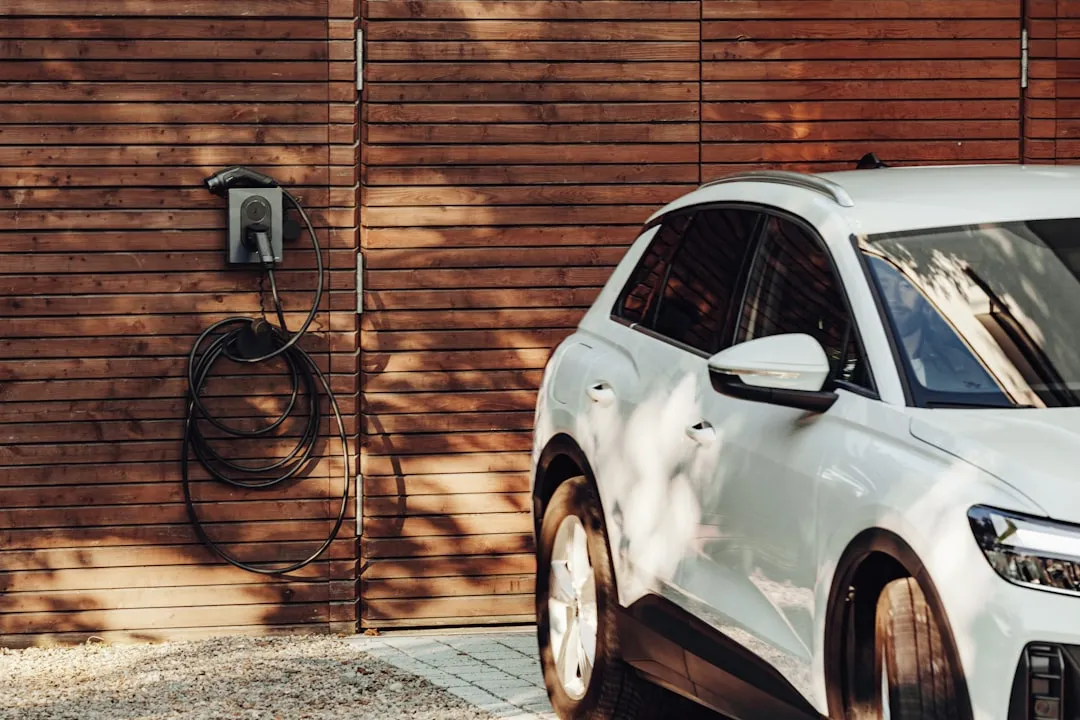
- Not every gas card automatically covers EV charging — whether it counts depends entirely on how the issuer defines 'gas stations' or 'fuel' in its merchant category code policy, so a card's marketing language about gas rewards doesn't guarantee charger coverage.
- The Citi Strata Premier Card explicitly lists EV charging alongside gas and fuel purchases in its 3x bonus category, making it one of the more transparent options for drivers who split time between a gas tank and a plug.
- Charging networks like Tesla Supercharger, ChargePoint, and Electrify America are increasingly showing up in issuer bonus-category language, according to guidance from Mastercard, but eligibility varies by card and can shift when issuers redefine their merchant categories.
- Before applying with EV charging in mind, call the issuer or read the current benefits guide to confirm your specific charging network qualifies — don't rely on general 'gas and fuel' marketing copy alone.
- As EV adoption grows, expect more issuers to formalize charging as a standalone or combined bonus category, which makes it worth re-checking your card's terms annually even if you already carry one of these cards.
Which Card Wins by Your Driving Profile
- Occasional driver spending under $100 a month on gas: the Citi Custom Cash Card is the strongest pick. Its 5% rate on your top eligible category with no annual fee fully optimizes light gas spending without costing anything to hold.
- Daily commuter or high-mileage driver spending over $500 a month at the pump: look past the capped 5% cards toward an uncapped option or one that bundles gas with groceries, such as Bank of America Customized Cash Rewards paired with Preferred Rewards status, which can outperform a capped card over a full year of heavy fueling.
- Road-trip and mixed spender: the Citi Strata Premier Card bundles gas, dining, hotels, and air travel into 3x bonus categories, making it the better fit when fuel is just one of several major recurring expenses rather than your single biggest one.
- Fleet owner or small business operator running multiple vehicles: a dedicated product like the AtoB Fleet Card, highlighted in fleet-focused research from AtoB, delivers per-gallon discounts, driver-level spending controls, and detailed reporting that consumer rewards cards simply don't offer. Owner-operators with one or two vehicles can usually stick with a consumer card, but real fleet-scale savings require a fleet-specific tool.
Matching the card to your actual driving pattern, not just the flashiest headline rate, is what turns gas rewards into real annual savings. Run your own numbers against your typical monthly fuel spend before you apply. The best card on paper isn't always the best card for your odometer.
Frequently asked questions
What credit card gives the most cash back on gas?
The Citi Custom Cash Card earns 5% cash back on your top eligible spending category each billing cycle, but only up to $500 in purchases — after that, the rate drops to 1%. It's the strongest no-annual-fee pick for dedicated gas spenders who stay within that monthly cap. Spend significantly more than $500 on fuel each month and you'll want a card with an uncapped gas bonus.
Do gas credit card rewards work at Costco or Walmart gas stations?
Often no. Fuel sold at warehouse clubs like Costco and superstores like Walmart typically processes under a retail or warehouse club merchant code rather than a gas station code, so your card's bonus rate may not apply even though you're buying the same gasoline. Always check your card's terms before assuming the elevated rate kicks in at those locations.
Can I use a regular rewards credit card at EV charging stations and earn bonus points?
It depends on how your issuer defines 'gas stations' or 'fuel' in its merchant category code policy. The Citi Strata Premier Card, for example, explicitly includes EV charging alongside gas and fuel in its 3x bonus category. Networks like ChargePoint and Electrify America are appearing more often in issuer bonus-category language, but coverage isn't universal — confirm with your issuer before counting on it.
Is it worth getting a gas rewards credit card if I only drive occasionally?
Yes, especially a no-annual-fee option. Even light fuel spending adds up to real cash back over a year, and most of these cards also reward purchases in everyday categories like groceries or dining — so you're earning rewards well beyond the pump without paying anything for the privilege.
Should fleet owners use a consumer gas rewards card or a dedicated fleet card?
For multi-vehicle operations, a dedicated fleet card is usually the better fit — it offers per-gallon discounts, driver-level spending controls, and reporting tools that no consumer card matches. A consumer gas rewards card works fine for an owner-operator running one or two vehicles, but once you're managing a fleet, the specialized features of a product like the AtoB Fleet Card tend to deliver more measurable savings.