

Best No Annual Fee Credit Cards in 2026: Free Cards That Still Earn Big
A no annual fee credit card doesn't have to mean you're settling for less. Cards like the Chase Freedom Unlimited and Discover it Cash Back come loaded with real cash back rates, 0% intro APR windows, and credit-building tools, and they don't charge you a cent just to carry them.
Key takeaways
- No annual fee cards generate revenue through merchant interchange and cardholder interest, so issuers can still fund solid rewards programs without billing you a yearly fee.
- Discover it Cash Back doubles every dollar you earn at the end of your first year — a first-year bonus structure that rivals many paid-card welcome offers.
- The real trade-off with free cards is transferable points: airline and hotel transfer partners remain almost exclusively a paid-card benefit worth calculating before you dismiss premium options.
- For credit builders, consistent on-time payments and keeping balances under 30% of your credit limit do more for your FICO Score than any card feature alone.
- A no-fee card with no foreign transaction fee can outperform a premium travel card on a specific international trip — the math depends on your actual spending, not the card's headline perks.
This guide breaks down the strongest free cards out there for cash back seekers, travelers, and anyone still building a credit history. We'll also give you a clear way to figure out if a fee card would ever actually beat one of these.
Why No Annual Fee Doesn't Mean No Rewards
Card issuers don't need your annual fee to turn a profit — they're doing fine without it. Every purchase you make generates an interchange fee paid by the merchant, and issuers also collect interest from cardholders who carry a balance month to month. That two-sided revenue model explains why competitive rewards programs can survive on cards that never bill you just to keep them open.
Discover's Cashback Match Doubles Your First Year
Discover it Cash Back turns this into a concrete, dollar-for-dollar perk. At the end of your first 12 months, Discover matches all the cash back you've earned, according to Discover. Earn $150 through quarterly 5% categories and standard 1% purchases, and Discover doubles that to $300. No fee attached, at any point.
0% Intro APR Periods Are Standard, Not Rare
Chase Freedom Unlimited currently offers 0% intro APR for 15 months on both purchases and balance transfers, according to Chase. That's a long enough window to finance a large appliance or consolidate a smaller balance interest-free — a benefit you'd usually only find on premium cards that charge you for the privilege.
Free cards do have a ceiling, and it's worth naming upfront. The richest category multipliers, points that transfer to airline and hotel partners, perks like lounge access or elite hotel status — these almost always sit behind an annual fee. No-fee cards are strong tools for everyday spending and credit building. They're not a full replacement for every premium travel card on the market.
Best No Annual Fee Cash Back Cards
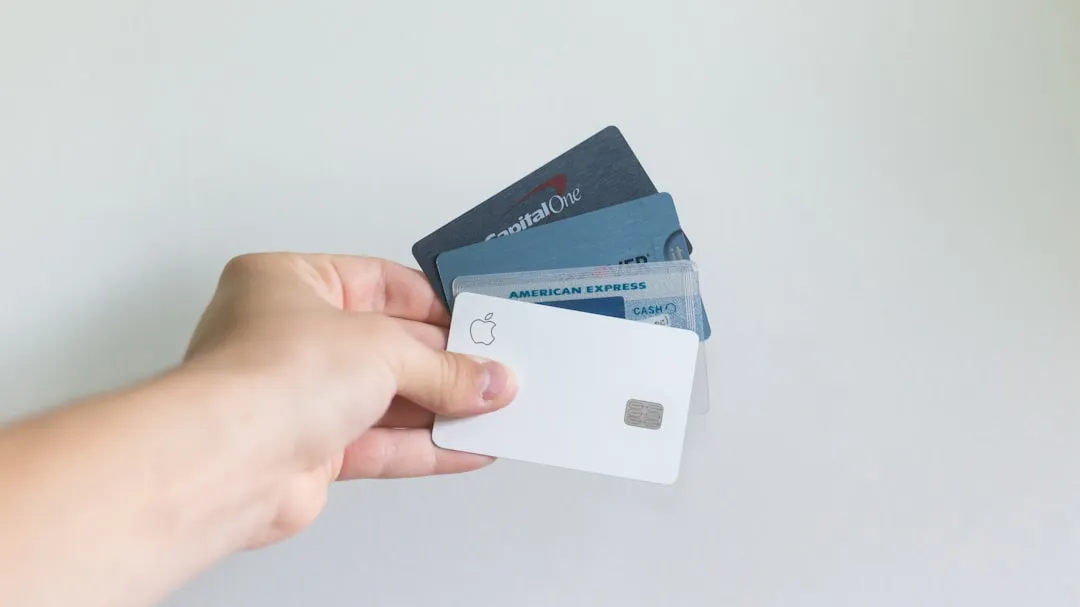
Five no annual fee cards stand out for cash back in 2026. Each one rewards a different spending pattern instead of competing head-to-head over the same category.
| Card Name | Best For | Top Earn Rate | Intro APR Offer |
|---|---|---|---|
| Chase Freedom Unlimited | Everyday spending plus travel | 5% on Chase Travel, 3% dining and drugstores, 1.5% on everything else | 0% for 15 months on purchases and balance transfers |
| Discover it Cash Back | Rotating bonus categories | 5% in quarterly categories up to the cap, 1% elsewhere, matched at year one | 0% intro APR on purchases |
| Capital One Savor Cash Rewards | Dining and groceries | Elevated cash back on dining and grocery purchases | Introductory APR offer available at signup |
| Bank of America Customized Cash Rewards | Customizable spending category | 3% in a category you choose, 2% at grocery stores and wholesale clubs | Introductory APR offer available at signup |
| Citi Strata Card | Flexible everyday rewards | Bonus rates across multiple everyday spending categories | Introductory APR offer available at signup |
Bank of America Customized Cash Rewards deserves a closer look if you're already a Bank of America customer. Enrolling in Preferred Rewards can meaningfully boost the base 3%/2% earning structure, according to Bank of America. That makes this card most valuable for people who already bank there — it's not really a cold-start choice.
Best No Annual Fee Travel Cards
Two no-fee cards convert everyday purchases into travel value without ever charging you a yearly fee just to hold them.
- Discover it Miles earns 1.5x miles on every purchase, and those miles redeem as a statement credit against travel charges at a flat 1 cent each, according to Discover — no transfer partners to research, no award chart to decode.
- Capital One Quicksilver pays a flat 1.5% cash back on every purchase, per Mastercard, and select Quicksilver versions skip foreign transaction fees entirely.
- Foreign transaction fees deserve their own line item: a typical 3% surcharge on a $2,000 international trip adds up to $60 in fees alone, so a no-fee card with no foreign transaction fee can beat a premium travel card on that specific trip.
- Truly transferable points — the kind that move into airline and hotel loyalty programs through a platform like Chase Travel — remain almost exclusively a paid-card benefit. Travelers who want that flexibility should weigh it against the fee using the decision framework below rather than assuming a free card will ever match it.
Best No Annual Fee Cards for Building Credit
Building a credit history doesn't require paying to prove you're creditworthy. Several no-fee cards are built specifically for that stage, and they do the job well.

- Discover it Student Cash Back is often the easiest entry point: it earns 5% in rotating categories with no annual fee and no prior credit history required, according to Discover.
- Secured no-fee cards exist but are rarer than unsecured student cards. Before applying for one, confirm the issuer reports to all three major credit bureaus — Equifax, Experian, and TransUnion — since Discover does this as standard practice.
- Two habits move a FICO Score more than any card feature ever will: paying on time every single month, and keeping utilization under 30% of your available credit limit.
- Favor issuers that run automatic account reviews for a credit line increase or graduation to an unsecured card; moving up this way typically skips the hard inquiry that a brand-new application would trigger.
- American Express also provides free FICO Score and Insights access across its card lineup, according to American Express, while Discover posts a free FICO Score directly on the account dashboard so cardholders can track progress monthly at no cost.
When Paying an Annual Fee Actually Makes Sense
Upgrading to a fee card is a math problem, not a gut feeling. Run through these four steps before you apply for anything that charges you just to keep it open.
- Tally the rewards you'd realistically earn on the fee card over 12 months using your actual spending mix and the card's published earn rates, not the best-case scenario shown in the issuer's marketing.
- Subtract the annual fee from that total, then compare the result to what your current no-fee card already earns on that exact same spending.
- List every perk bundled with the fee card and cross out the ones you wouldn't genuinely use — a $300 annual travel credit is real money if you fly several times a year, and worthless if you rarely leave your area.
- If the fee card's net value, meaning rewards plus perks you'll actually use minus the fee, beats your no-fee card by a clear margin, upgrade. If the numbers land close together, keep the free card, since there's no downside to holding a card that costs nothing.
Match the card to your actual spending profile, not the sign-up bonus. A rotating-category shopper does better with Discover it Cash Back than with a flat-rate card, while a frequent international traveler gains more from skipping foreign transaction fees than from chasing transferable points they'll never redeem. The no-fee tier now covers nearly every common use case well enough that paying a yearly fee should be the exception you choose deliberately — not the default you fall into.
Frequently asked questions
Do no annual fee credit cards hurt your credit score?
No. Opening any credit card creates a hard inquiry that trims your score by a few points temporarily, but the absence of an annual fee has zero direct effect on your score. What actually moves the needle — in either direction — is your payment history and how much of your available credit limit you're using at any given time.
Can you really earn good rewards with the best credit cards with no annual fee?
Yes. The Discover it Cash Back, for example, doubles every dollar of cash back you earn across your entire first 12 months — earn $150 and you walk away with $300, no fee involved. Chase Freedom Unlimited stacks 1.5%–5% back depending on category, and a 15-month 0% intro APR window on top of that. The ceiling is transferable points to airline partners, which still mostly require a paid card.
What credit score do you need for a no annual fee rewards card?
Most mainstream no-fee rewards cards — think Chase Freedom Unlimited or Discover it Cash Back — are aimed at good to excellent credit, generally a FICO Score of 670 or higher. If you're just starting out or rebuilding, no-fee student cards like the Discover it Student Cash Back and secured no-fee options are designed for that stage instead.
Is there a catch with no annual fee credit cards?
Not a hidden catch, but real trade-offs worth knowing: category multipliers and sign-up bonuses tend to be smaller than on premium fee cards, and transferable points that move into airline or hotel loyalty programs are almost exclusively a paid-card benefit. Carrying a balance erases any rewards advantage quickly, since interest charges will outpace cash back earned.
Should I cancel a no annual fee card I'm not using?
Probably not. Since the card costs you nothing to hold, closing it removes available credit from your profile and can raise your overall utilization ratio, which may ding your score. The one legitimate reason to close it is if the issuer charges inactivity fees — uncommon among major issuers — or if the account creates enough clutter that you risk missing a payment.