

Best Cash Back Credit Cards in 2026: Earn More on Every Purchase
Cash back cards turn your everyday spending — groceries, gas, dinner out — into actual money back in your pocket. But which one's right for you comes down to how you spend and how much bookkeeping you're willing to do to chase bonus categories. This guide breaks down the three core reward structures, ranks the top cards in each, and shows you how pairing two or three cards can consistently out-earn any single card on its own.
Key takeaways
- A true 2% flat-rate card with no annual fee is the minimum benchmark for any all-purpose wallet card — settle for less only if a specific perk justifies it.
- Rotating category cards like Discover it Cash Back can pay 5% on select spending, but that rate only works if you activate the bonus each quarter without fail.
- Tiered cards such as the Citi Custom Cash auto-detect your highest spending category, splitting the difference between simplicity and higher rewards.
- Pairing two or three complementary cards — one flat-rate catch-all, one category booster — routinely out-earns any single card across a full year of spending.
- Welcome bonuses and first-year match programs can dramatically amplify early rewards, making card selection especially impactful in the first 12 months.
Flat Rate vs. Rotating vs. Tiered Cash Back: Which Structure Fits You?
Every cash back card falls into one of three reward structures, and picking the wrong one for your habits quietly costs you money month after month, according to Bankrate. Flat rate cards like the Wells Fargo Active Cash Card pay the same percentage on everything you buy.
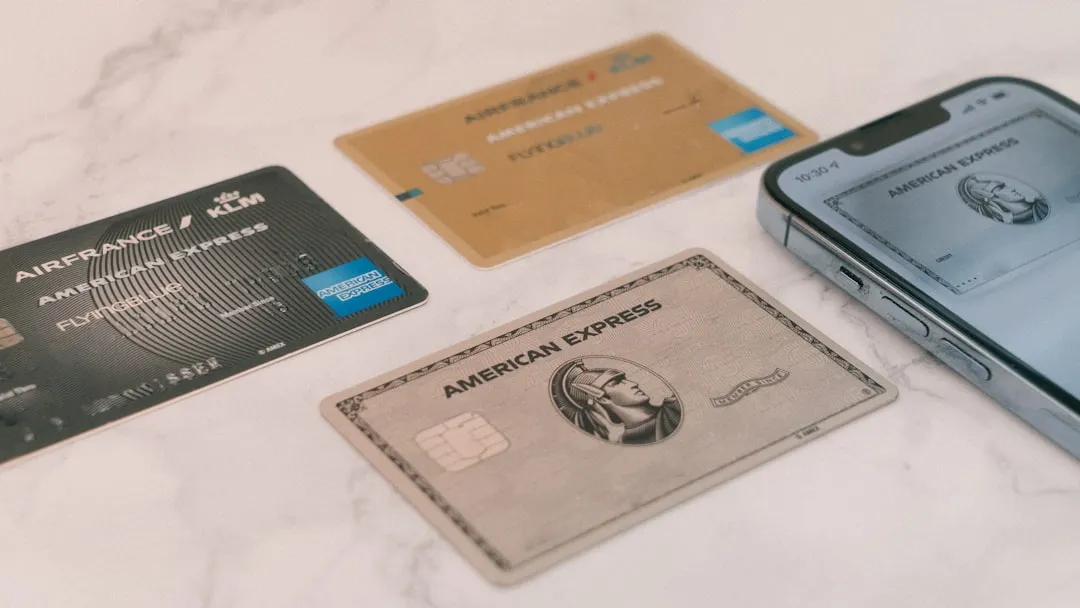
Rotating category cards like Discover it Cash Back push that rate up to 5% for a few months at a stretch. Tiered cards, like the Citi Custom Cash Card, land somewhere in the middle — they lock in a higher rate on your top spending category automatically, no activation required.
| Structure | Effort Required | Max Earn Rate | Best-Fit Spending Profile | Risk of Leaving Money on the Table |
|---|---|---|---|---|
| Flat Rate | None, swipe and forget | 2% (Wells Fargo Active Cash, Citi Double Cash) | Cardholders who want one card for everything | Low, but caps upside on big-ticket categories |
| Rotating Category | High, must activate quarterly and track caps | 5% on activated categories (Discover it Cash Back) | Organized spenders willing to plan purchases around bonus quarters | High if activation is missed or the cap is exceeded |
| Tiered | Moderate, no activation but rate varies by category | 5% on top category (Citi Custom Cash), 3% on chosen category (Bank of America Customized Cash Rewards) | Households with one or two dominant spending categories | Moderate, baseline rate on non-bonus spending is often just 1% |
Flat rate wins if you want a card you never have to think about. Rotating and tiered cards pay more, sure, but only if you're the type who tracks spending, remembers to activate bonuses on time, and actually redirects purchases to the right card each quarter.
Top Flat Rate 2% Cash Back Cards Worth Carrying
A true 2% cash back rate with no annual fee is the bar every catch-all card should clear. Only a handful actually manage it.
- Wells Fargo Active Cash Card: Unlimited 2% cash rewards on every purchase, no annual fee, and a sign-up bonus that's competitive against every no-fee rival on the market. There's no rotating category to track and no spending cap to hit. It stands as the cleanest 2% flat-rate benchmark available right now.
- Citi Double Cash Card: You earn 1% when you make a purchase and another 1% when you pay it off, which nets out to 2% over a billing cycle. The split structure nudges cardholders toward paying in full each month, since the second 1% only posts once the payment clears.
- Capital One Quicksilver Cash Rewards Credit Card: An unlimited 1.5% flat rate with no annual fee, per Mastercard's card directory. It trails true 2% cards on its own, but it pairs well inside a Capital One combo with the Savor card handling dining and groceries at a higher rate.
- Chase Freedom Unlimited: Technically a hybrid, not a pure flat-rate card: 1.5% on general purchases, but 3% on dining and at drugstores with no activation required, according to Yahoo Finance. For a household that eats out several times a month, that combination can out-earn a straight 2% card without any extra tracking.
- Selection tip: Treat true 2% flat cash back with no annual fee as the floor for your all-purpose card. Anything paying less than that needs a specific reason to earn a spot in your wallet, whether that's a strong welcome bonus, a category bonus, or a perk you'll actually use.
Best Rotating Category Cards for High Spenders
Discover it Cash Back is the best rotating-category card out there for disciplined spenders. It pays 5% cash back on categories that change every quarter, up to a spending cap, and 1% on everything else, according to NerdWallet.
How the Quarterly Categories Work
Categories have historically included gas stations, grocery stores, restaurants, and select online retailers, rotating on a set quarterly schedule. You've got to activate the bonus category each quarter through your Discover account or app — the 5% won't kick in on its own. Once you hit that quarter's spending cap, anything extra in the category drops back to 1%.
The First-Year Cashback Match
New cardholders get a real edge in year one. Discover automatically matches all the cash back you've earned at the end of your first twelve months — no enrollment, no minimum spend required. So every dollar you earn in year one effectively doubles before you even lift a finger.
What the Math Looks Like Over a Full Year
Say you spend $1,500 in the active 5% category each quarter. That's $75 back for that quarter alone, or $300 across four quarters of activated spending. Apply the first-year Cashback Match and that $300 turns into $600 — real money, just for remembering to activate a category and spending where you'd spend anyway.
Why Activation Isn't Optional
Forget to activate, and the 5% simply doesn't apply. You're stuck earning the standard 1% on categories that could have paid five times more. A recurring calendar reminder for the first week of each quarter closes that gap for good. It takes under two minutes to activate through Discover's app.
Pairing a Rotating Card with a Flat-Rate Backbone
Rotating category cards work best as a sidekick, not your main card. Pair a flat-rate card like the Wells Fargo Active Cash Card or Citi Double Cash Card with Discover it Cash Back, so purchases outside the active quarter still earn 1.5% to 2% instead of falling to 1%. That combo means nothing you buy all year earns less than the flat-rate floor.
Best Cash Back Cards for Groceries and Gas
Groceries and gas are two expenses almost no household can dodge, which is exactly why a category-specific card can beat a flat 2% option once your monthly spending crosses a certain line, per US News Money.
| Card | Grocery Rate | Gas Rate | Annual Fee | Spend Cap |
|---|---|---|---|---|
| Citi Custom Cash Card | 5% on top eligible category, self-selects based on usage (often groceries) | 5% if gas is the top category that cycle | $0 | $500 per billing cycle at 5%, then 1% |
| Bank of America Customized Cash Rewards | 2% at grocery stores and wholesale clubs | 3% if gas is the chosen category | $0 | $2,500 combined quarterly cap on the 2%/3% categories |
| Capital One Savor Cash Rewards | 3% at grocery stores (excluding superstores) | 1%, no bonus gas category | $0 | No cap on bonus category earnings |
If you're spending $400 or more a month on groceries and $150 or more on gas, routing those purchases to a category-specific card can meaningfully beat a flat 2% card. Below that spending level, the gap shrinks enough that the simplicity of one flat-rate card might be worth more than the extra cents.
How to Maximize Cash Back by Stacking Cards
Combining two or three cash back cards, each doing a specific job, consistently beats relying on just one — no single card pays the top rate across every category you spend in.
- Audit your spending. Pull the last 90 days of statements and identify your top three spending categories; most households cluster around groceries, gas, dining, and online retail, and the totals usually surprise people who haven't looked closely.
- Assign a primary card to each high-spend category. Route your single biggest category to a card like the Citi Custom Cash Card, which pays 5% automatically, and use a flat-rate 2% card such as the Wells Fargo Active Cash Card as the catch-all for everything that doesn't fit a bonus category.
- Activate rotating bonuses on time. For cards like Discover it Cash Back, set a recurring reminder at the start of each quarter, then redirect spending in that category to the rotating card while your flat-rate card continues handling everything else.
- Redeem strategically. Statement credits and direct deposits into a linked bank account are the simplest, most reliable redemption options across nearly every issuer. Never carry a balance to chase cash back; interest charges erase rewards far faster than any bonus category can rebuild them.
Cap the stack at two or three cards. Go beyond that, and the mental effort of remembering which card earns the most where outweighs the extra percentage point you might squeeze out. And a forgotten card in your wallet defeats the whole point.
Frequently asked questions
What is the best flat rate cash back credit card right now?
The Wells Fargo Active Cash Card sets the benchmark: unlimited 2% cash rewards on every purchase, no annual fee, and no rotating categories to track or spending caps to hit. Chase Freedom Unlimited is worth considering if you want built-in bonuses on dining and drugstores — it earns 3% in those categories without requiring any activation.
How do rotating category cash back cards work?
Cards like Discover it Cash Back pay 5% on specific categories that rotate each quarter — historically gas stations, grocery stores, restaurants, and select online retailers. You must manually activate the bonus through your account or app before it applies, and the 5% rate caps out at a set spending threshold each quarter; purchases beyond that earn just 1%.
Can you use two cash back cards together to earn more?
Yes. A straightforward pairing is a flat-rate 2% card — such as the Wells Fargo Active Cash — handling miscellaneous purchases, while a category-focused card like Discover it Cash Back captures 5% on activated quarterly categories. That combination consistently out-earns any single card on its own without requiring complex redemption strategies.
Do cash back credit cards charge annual fees?
Many top-tier cash back cards carry no annual fee — the Wells Fargo Active Cash, Chase Freedom Unlimited, Capital One Quicksilver, and Discover it Cash Back all fit that description. When a card does charge a fee, the extra cash back it generates needs to clearly exceed that cost based on your actual monthly spending, or it's not worth carrying.
Is cash back better than travel rewards for most people?
For most consumers, yes. Cash back is straightforward — whatever you earn comes back as usable money with no expiration dates or point-transfer complexity. Travel rewards can deliver higher value per dollar when redeemed for premium flights or hotels, but realizing that value takes meaningful planning and flexibility that many cardholders simply don't have.