

Best Airline Credit Cards of 2026: Free Bags, Miles and Elite Status
Pick the wrong airline credit card and it'll cost you — either through an annual fee that never quite pays for itself, or through miles stuck in a program you barely fly anymore. This guide breaks down which co-branded cards are actually worth the fee in 2026, how to value the miles you're earning, and when a flexible travel card like the Chase Sapphire Preferred beats out any single-airline product.
Key takeaways
- A free checked bag benefit alone can wipe out a $95 annual fee on the very first roundtrip — everything else the card offers is pure gain.
- Co-branded cards make the most sense for travelers loyal to one carrier; split your flying across airlines and a flexible rewards ecosystem usually wins.
- Mile value swings widely: domestic economy often yields 1.2–1.5 cents per mile, while the right premium international redemption can exceed 2–3 cents.
- Companion certificates and annual travel credits are the perks most likely to offset a mid-tier or premium card's higher fee in a single year.
- If your calculated cents-per-mile falls below 1.0, pay cash for the ticket and earn miles on the purchase instead of spending them.
Airline Cards vs. General Travel Cards: The Core Trade-Off
A co-branded airline card ties every point you earn to one carrier's loyalty program. Fine if you fly Delta or Southwest almost exclusively and plan to keep doing so for years. But it's a real problem if your job has you on United one month and American the next. Those miles just sit there, and dormant miles happen to be the ones most likely to lose value the moment a program devalues its award chart.
Free checked bags are where co-branded cards pay for themselves fastest. Most airlines now charge $35 to $40 per checked bag, each way. Take one roundtrip with a single bag, and a card offering a free checked bag has already saved you $70 to $80 — enough to cover most or all of a $95 annual fee before you've even touched another perk.
The Two Dominant Flexible Ecosystems
If your flying is spread across carriers, Chase Ultimate Rewards and American Express Membership Rewards solve the lock-in problem nicely. Chase UR points transfer 1:1 to United, Southwest, British Airways, and Hyatt, giving you both airline and hotel exits if one program's redemption values tank, according to Chase. Amex Membership Rewards reaches Delta, Virgin Atlantic, Qantas, and Singapore Airlines, plus Hilton and Marriott — a lineup with more international depth than Chase's, according to Camels & Chocolate.
Travelers who book award seats on partner airlines, or who redeem points for hotel stays just as often as flights, tend to get more mileage — literally — out of a flexible card than out of any single airline's plastic. That trade-off only flips once loyalty status enters the picture, which the final section covers in more detail.
Best Airline Credit Cards by Major US Carrier
Each major US airline has one card that stands out above its siblings once you weigh the annual fee against the perks people actually use. Southwest's move away from open seating has made its top-tier card more relevant than it's been in years, according to NerdWallet, while Bank of America's Allegiant card remains a solid low-fee pick for budget-focused flyers, per Bank of America.
| Airline | Card Name | Annual Fee | Standout Perk | Best For |
|---|---|---|---|---|
| Southwest | Southwest Rapid Rewards® Priority Credit Card | $229 | Free checked bags, priority boarding, $75 annual travel credit, 7,500 anniversary points | Loyal Southwest flyers who check bags on most trips |
| Delta | Delta SkyMiles® (Gold through Reserve tiers) | $0–$650 | Annual companion certificate on mid and upper tiers | Delta flyers who regularly travel with a partner |
| United | United Explorer Card (Chase) | $95 | Free first checked bag for cardholder and a companion, two United Club passes yearly | Occasional United flyers who want low-cost perks |
| Allegiant | Allegiant World Mastercard (Bank of America) | $59 | 30,000 bonus points (about $300 off Allegiant travel) after $1,500 spend in 90 days | Budget travelers loyal to Allegiant's route map |
Delta's card ladder deserves a closer look — it spans four tiers, from a no-fee Gold card up to the premium Reserve. What changes as you climb isn't just the fee. It's the companion certificate, which becomes the card's headline perk starting at the mid tier and can offset the entire annual cost on a single domestic trip.
Perks That Actually Pay for the Annual Fee

- Free checked bag: at $35–$40 per bag each way, one roundtrip with a single checked bag clears a $95–$99 annual fee outright — every other benefit after that is pure upside.
- Priority boarding: this perk carries real weight on Southwest now that open seating is being phased out, but it matters far less on carriers with assigned seats unless you're worried about losing overhead bin space.
- Annual travel credits: Southwest Priority's $75 credit drops the card's effective cost to $154, and its 7,500 anniversary points add roughly $112 more in value at standard redemption rates — together shaving over $180 off the sticker price.
- Companion certificates: Delta's mid-tier cards issue one certificate a year, and a domestic companion fare can be worth $200 to $400 or more depending on the route flown.
- Lounge access: premium cards like the American Express Platinum Card® ($695/yr) stack Centurion Lounge, Priority Pass, and Delta Sky Club access, but that fee only makes sense if you're flying often enough to actually use the lounges.
How to Value Airline Miles
- Find the cash price of the exact ticket you want, matching the same dates, cabin, and fare class you'd book with miles.
- Check the award price in miles for that same flight, then divide the cash fare in cents by the number of miles required to get your cents-per-mile figure.
- Compare that number to standard benchmarks: domestic economy redemptions are generally solid at 1.2 to 1.5 cents per mile, while premium international cabins can push value to 2 to 3 cents per mile or higher.
- Subtract taxes and any carrier-imposed fees from the award ticket — some programs pass through fuel surcharges that can erode value by $50 to $200 per ticket.
- If your final cents-per-mile figure lands below 1.0, buy the ticket with cash and earn miles on the purchase instead — redeeming at that rate almost never beats paying outright.
When a General Travel Card Beats an Airline Card
A single-airline card stops making sense the moment you're flying two or more carriers on a regular basis. Miles earned on a co-branded card you use once or twice a year just sit idle, and idle miles are exactly what airlines devalue first when they rewrite their award charts.
Multi-Carrier Flyers Need Flexibility
This is where Chase Sapphire Preferred® earns its reputation as the go-to first travel card. A $95 annual fee buys access to Ultimate Rewards transfer partners without the steep learning curve of a premium product — a point echoed by Camels & Chocolate. Someone flying United one quarter and Southwest the next can move the same pool of points to whichever program has better award space that week, instead of hoping one airline's miles cooperate.
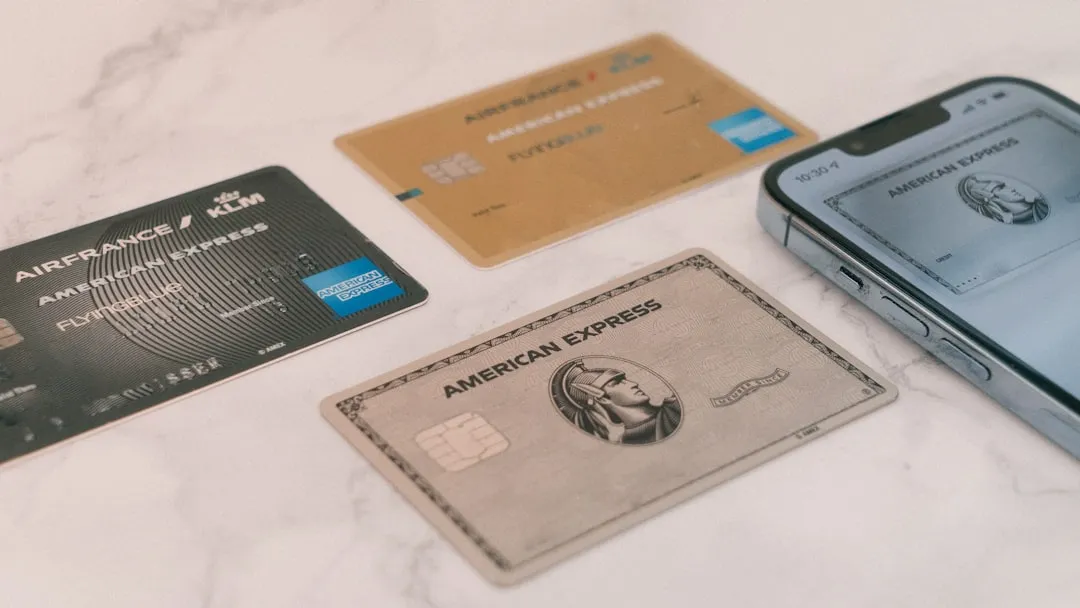
For travelers who want a premium version of that same flexibility, Chase Sapphire Reserve® adds travel insurance protections the entry-level card skips, while the American Express Platinum Card® leans further into luxury lounges and hotel elite status rather than airline-specific perks, according to CNN Underscored.
When Loyalty Status Changes the Math
The calculus flips back toward co-branded cards once you're closing in on elite status with a specific airline. At that point, ecosystem perks — upgrade priority, bonus elite-qualifying miles, free bags for the whole travel party — start compounding in ways a flexible card just can't match. A United Airlines Aeroplan-style status run, for example, rewards concentrated spending on one carrier's card far more than splitting purchases across transfer partners ever would.
In the end, it comes down to how concentrated your flying already is. Fly one airline out of habit or convenience, and a co-branded card turns that habit into free bags and companion fares. Fly wherever the schedule and price work best, and a flexible card keeps your points useful no matter which airline ends up with your business next year.
Frequently asked questions
What is the best airline credit card for someone who flies multiple carriers?
A flexible travel card is usually the smarter move. Chase Sapphire Preferred® or Chase Sapphire Reserve® both earn Ultimate Rewards points that transfer 1:1 to United, Southwest, and British Airways — so if one program devalues its award chart, you still have other exits. Flexible points also cover hotel stays, which co-branded airline cards simply can't match.
Does the Southwest Rapid Rewards® Priority Card still make sense after Southwest added bag fees?
Yes — the card actually becomes more defensible now that bag fees are back. It covers those checked bag costs directly, and when you factor in the $75 annual travel credit plus roughly $112 in value from the 7,500 anniversary bonus points, the $229 fee is reduced by over $180 before you count priority boarding or rewards earning.
How many miles do you typically need for a free domestic flight?
Most major US programs price short-haul domestic awards in the 7,500–15,000 mile range one-way. A useful rule of thumb: aim for at least 1.2 to 1.5 cents per mile on domestic economy redemptions. If the math falls below 1.0 cents per mile, you're often better off paying cash and earning miles on the purchase instead.
Are airline credit card miles worth more than cash-back rewards?
They can be, particularly on premium international cabins where values can reach 2 to 3 cents per mile or higher. For routine domestic travel, though, a flat 2% cash-back card can be more practical — especially if you don't fly frequently enough to redeem miles before programs devalue their award charts, which co-branded miles are most vulnerable to.
What annual fee is typical for an airline credit card?
Entry-level co-branded cards typically run $95–$99 per year — a fee that one roundtrip with a single checked bag can effectively erase at current $35–$40 per-bag rates. Mid-tier options like the Southwest Rapid Rewards® Priority Card land at $229, while premium cards like the Amex Platinum charge $695 and justify it by stacking lounge access and travel credits for high-frequency travelers.