

Balance Transfer Fees Explained: What You'll Pay and How to Avoid It
Every balance transfer card charges something for the privilege of moving your debt — usually 3% to 5% of the amount transferred, tacked onto your new balance the moment the transfer clears. Get the math wrong, and that fee eats into the savings you're chasing. So what will you actually pay in 2026? When does the fee pay for itself? And which cards skip it altogether?
Key takeaways
- A balance transfer fee hits your new card the moment debt moves over — it's not a separate bill, it's added directly to your balance.
- The standard range in 2026 is 3%–5%; longer 0% intro periods (18–21 months) tend to come with the higher 5% charge.
- Carrying more than $2,000 on a card at 20%+ APR usually makes the fee worth paying — you recoup it in weeks of interest savings.
- No-fee cards often come with shorter 0% windows (12–15 months), so they favor borrowers who can pay off debt quickly.
- Credit unions frequently offer no-fee transfer programs that don't show up on major comparison sites — worth a direct call before applying.
What a Balance Transfer Fee Actually Is
A balance transfer fee is a one-time charge your new card issuer adds to your balance the instant your old debt moves over. According to Chase, it isn't billed separately. It lands directly on your new statement, folded into the balance you now owe. Move $6,000 at a 3% fee, and $180 shows up on the new card before you've made a single payment.
How the Fee Is Calculated
The fee applies only to the amount you transfer, not to future purchases made with the card. Experian confirms this is standard practice: the charge lands the moment the balance moves, whether you're consolidating credit card debt or using the new card to pay off a personal loan. The fee doesn't care where the debt came from. A loan payoff and a store-card balance get treated exactly the same way.
Why Issuers Charge It
The new card company essentially pays off your old creditor on your behalf, then charges you for absorbing that debt risk. Investopedia puts it simply: you're paying for the privilege of consolidating higher-interest debt onto a card offering a lower rate, or 0%. Think of that fee as the price of admission to the interest savings.
Typical Fee Ranges in 2026
Most balance transfer cards in 2026 charge between 3% and 5% of the transferred amount, according to Credit Karma and Bankrate. The 3% rate typically shows up on no-annual-fee cards, while 5% gets reserved for cards offering the longest 0% intro windows — often 18 to 21 months.
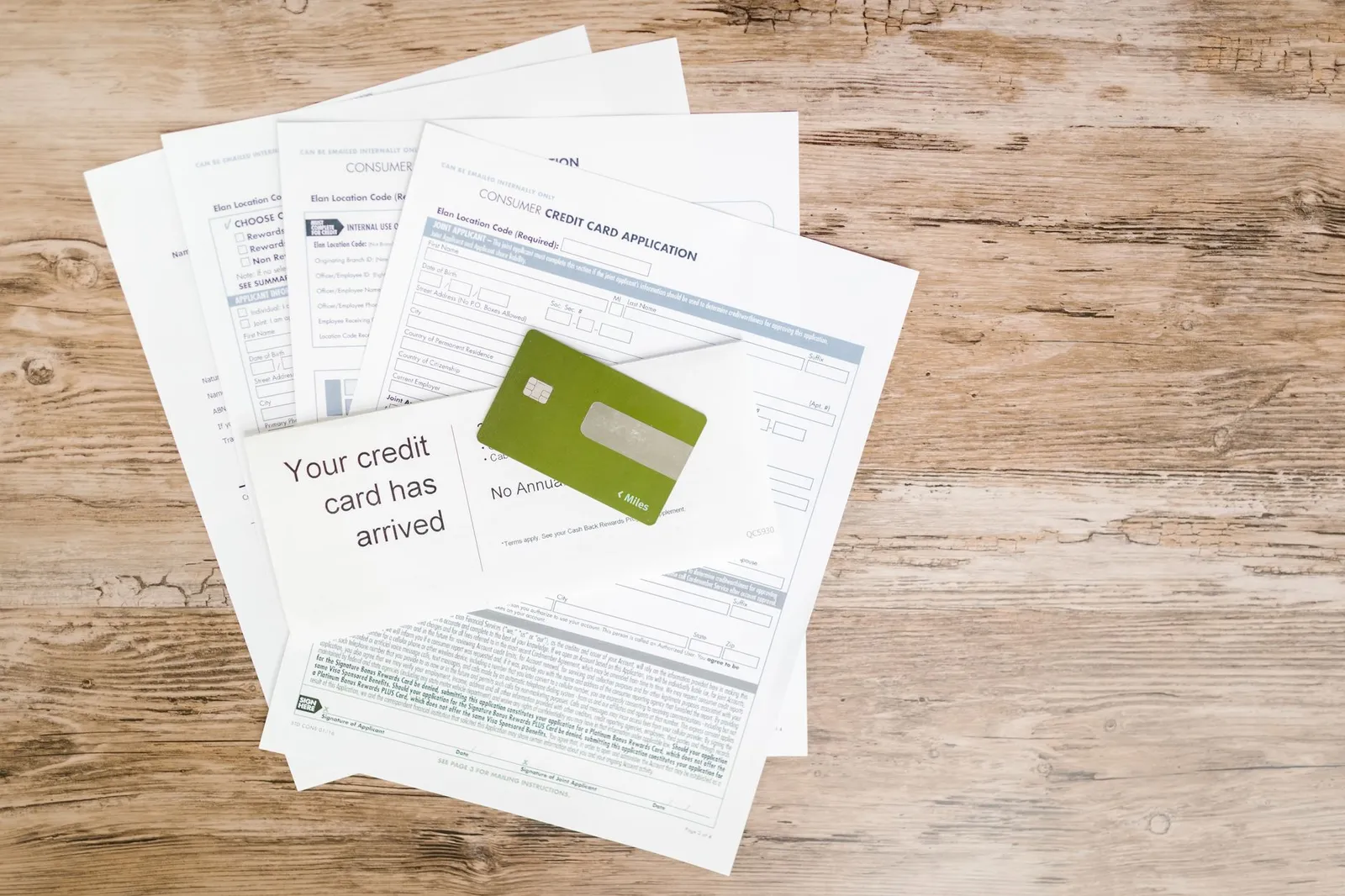
Nearly every issuer also sets a flat minimum fee, commonly $5 or $10, whichever is greater, so even a modest test transfer still costs something. A shrinking number of promotions waive the fee entirely, but only for transfers completed within 60 to 120 days of opening the account.
| Fee Tier | Typical 0% Intro APR Length | Best For |
|---|---|---|
| 0% (promotional) | 12–15 months | Borrowers who can pay off debt fast and want to skip the fee entirely |
| 3% | 15–18 months | Balances under $5,000 where a shorter payoff window is realistic |
| 5% | 18–21 months | Larger balances needing the longest interest-free runway |
When Paying the Fee Is Still Worth It
The fee is worth paying when the interest you'd otherwise owe outweighs the upfront cost. For most people carrying a balance above $2,000 on a card charging 20% APR or more, that math favors the transfer. Run these four checks before applying.

- Add up your current balance and APR. A card charging 24% APR on a $5,000 balance costs roughly $100 a month in interest if you're only making minimum payments — money that does nothing to reduce what you owe.
- Calculate the transfer fee on that same balance. A 3% fee on $5,000 is $150, an amount you'd recoup in about six weeks of interest saved at that 24% rate, per the break-even framing Bankrate uses for transfer decisions.
- Compare your realistic payoff timeline to the card's 0% intro period. If you can clear the $5,000 within 15 months and the intro period runs 18 months, the transfer saves you nearly all the interest you'd have paid on the old card, minus that one-time fee.
- Factor in any annual fee on the new card. A $95 annual fee stacked on a 3% transfer fee raises your break-even point, but on balances above $4,000 to $5,000, the transfer still tends to beat staying on a high-APR card for a year and a half.
Cards With No Balance Transfer Fee — and the Trade-Offs
A small set of cards waive the transfer fee outright, though usually with conditions attached to the timing or the intro period.
- Discover has periodically offered a 0% transfer fee on its Discover it Balance Transfer card for cardholders who complete the transfer within the first few months of account opening — confirm current terms before applying, since promotions shift.
- Citi Simplicity and Wells Fargo Reflect are built around long 0% intro APR periods rather than fee waivers, so weigh the actual dollar cost of the fee against the length of the interest-free window before assuming a no-fee card wins by default.
- No-fee cards typically pair with shorter 0% intro periods, often 12 to 15 months instead of 18 to 21, which suits borrowers who can realistically clear their balance faster rather than those needing maximum runway.
- Local credit unions frequently run ongoing no-fee balance transfer programs that never appear on comparison sites — a call to a credit union you already qualify with can turn up options the big issuers don't advertise.
- Read the Schumer Box before applying — the standardized fee disclosure required under the Federal Truth in Lending Act. Marketing pages highlight the promotional rate; the Schumer Box shows the real fee, minimum charge, and the APR that kicks in once the intro period ends.
Frequently asked questions
What is a balance transfer fee?
It's a one-time charge — typically 3% to 5% of the amount you move — that your new card issuer adds directly to your balance the moment the transfer clears. It doesn't arrive as a separate bill; it's folded into what you owe. Most issuers also set a flat minimum, commonly $5 or $10, so even small transfers aren't free.
How do I calculate what a balance transfer will cost me?
Multiply the transfer amount by the fee percentage. Moving $8,000 at 3% costs $240; at 5%, it's $400. That charge lands on your new balance immediately — before you make a single payment. If the new card has an annual fee too, add that to get your true break-even cost.
Are there credit cards with no balance transfer fee?
Yes, though the options are limited. Some issuers — including Discover, periodically — waive the fee only for transfers completed within the first 60 to 120 days of opening the account. Local credit unions often run ongoing no-fee programs that don't show up on major comparison sites. The trade-off is usually a shorter 0% intro window, often 12 to 15 months instead of 18 to 21.
Is a balance transfer worth it if there's a fee?
Usually yes, if you're carrying more than $2,000 on a card charging 20% APR or higher and can pay off the balance before the intro period ends. On a $5,000 balance at 24% APR, a 3% fee ($150) breaks even in roughly six weeks of interest savings — everything beyond that is money back in your pocket.
Does a balance transfer hurt my credit score?
Applying triggers a hard inquiry, which can shave a few points temporarily, and the new account shortens your average credit age. That said, successfully transferring and paying down the balance lowers your credit utilization ratio, which tends to improve your score over time — often offsetting the initial dip within several months.