

Are Credit Card Sign-Up Bonuses Worth It? The Math Behind the Offers
A credit card sign-up bonus can hand you $200 in cash or a free flight for doing what you were already going to do anyway: spend money and pay it off. But that number on the landing page? It's a ceiling, not a guarantee. Annual fees, minimum-spend pressure, and redemption math can quietly shrink that value long before you ever cash it in.
Key takeaways
- A sign-up bonus is only as valuable as what you can realistically redeem — points offers vary widely depending on how you cash them out.
- Failing to hit the minimum spend threshold means no bonus at all, so always verify the monthly requirement against your actual spending history.
- Carrying a balance to chase a bonus is a losing trade; 20%+ APR erodes a $200 reward within one or two billing cycles.
- Subtract the annual fee and any extra spending from the gross bonus value — the card with the bigger sticker number isn't always the better deal.
- Apply right before a major loan and a hard inquiry could cost you more in interest than any welcome offer pays back.
How Credit Card Sign-Up Bonuses Actually Work
A sign-up bonus is a one-time reward for opening a new account, paid out in cash back, points, or airline miles depending on the card. Capital One puts it plainly: spend a set amount within a set window, and the issuer credits your account or rewards balance once. It's a customer-acquisition cost the bank is willing to eat, since a strong welcome offer, according to Capital One, converts applicants faster than most traditional advertising.
Cash Back vs. Points: Why the Math Differs
A flat $200 cash-back bonus is self-explanatory. It lands as $200, full stop. An 80,000-point offer? Not so simple. NerdWallet's guidance on valuing bonuses points out that points are only worth what you can actually extract from them, and that figure swings a lot depending on whether you redeem through a travel portal, transfer to an airline partner, or just cash out at a flat, low rate.
Where the Fine Print Erodes Value
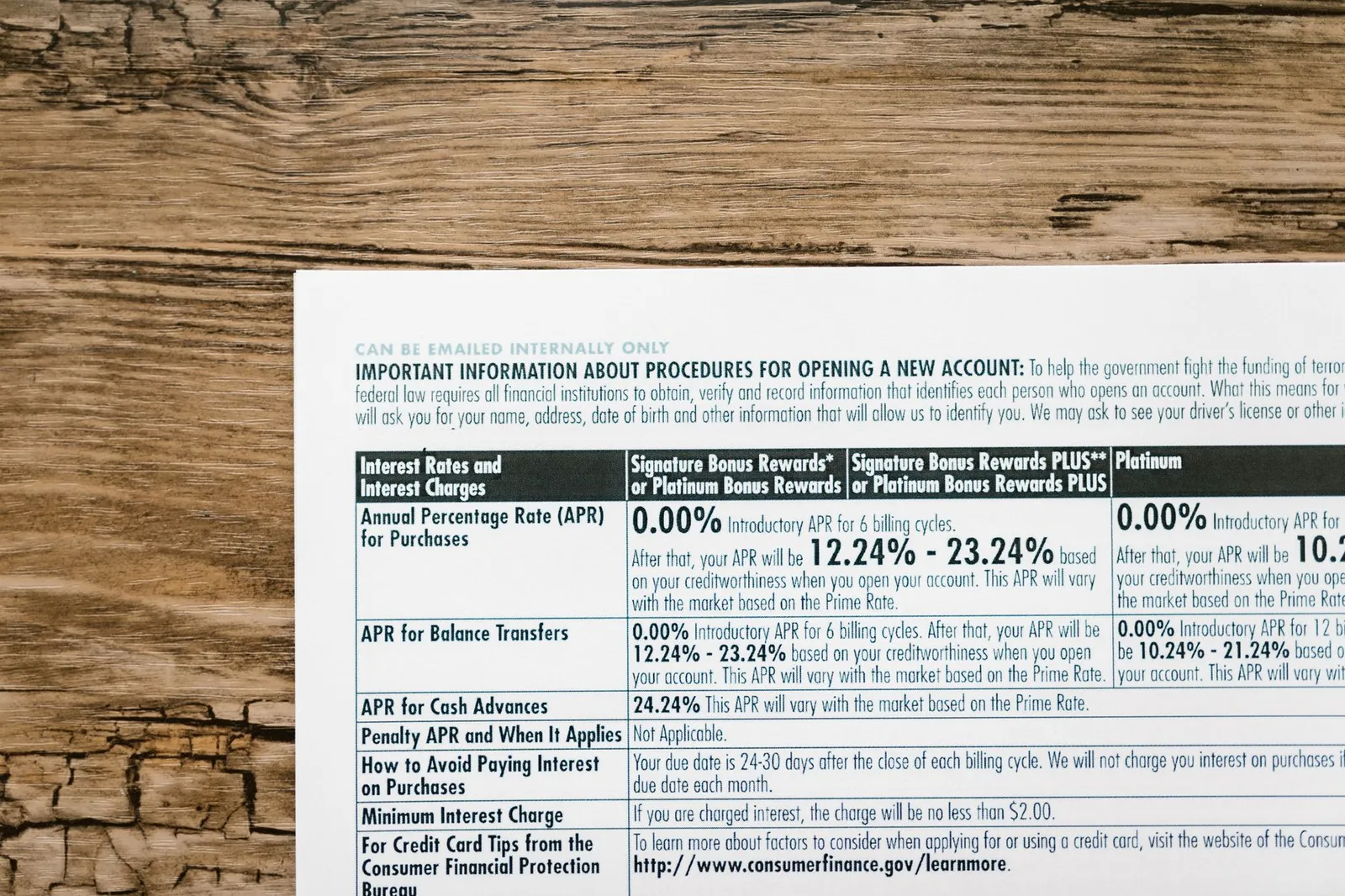
Terms disclosed at application rarely spell out the redemption traps waiting on the other side. Chase's own consumer education page warns that blackout dates, portal-only bookings, and unfavorable transfer ratios can quietly cut the real value of a points bonus well below its advertised worth. Read the redemption rules before you apply, not after the statement closes.
Minimum Spend Requirements: The Number Most People Overlook
Premium travel cards commonly ask for $3,000 to $5,000 in new purchases within three months, and that's exactly where most bonus math falls apart. Here's how to check if it actually fits your budget before you apply.
- Find the exact spend threshold and time window in the offer terms — for example, $4,000 within 3 months.
- Divide the total by the number of months to get your required monthly spend: $4,000 ÷ 3 is roughly $1,333 a month.
- Pull your last three credit card statements and calculate your real average monthly spend — not a hopeful guess.
- If your normal spending already clears that monthly number, the bonus is realistic; if it doesn't, you'll be manufacturing spend to hit it, which is where bonuses turn into liabilities.
When Chasing a Bonus Backfires
A bonus stops being free money the moment it costs you more than it pays out. Chase's guidance on rewards cards flags overspending as the single most common way a welcome offer backfires, and the math below shows just how fast that happens.
- Carrying a balance: interest at 20%+ APR can wipe out a $200 bonus within one or two billing cycles, since finance charges compound faster than most people expect.
- Overspending to hit the minimum: $500 in purchases you wouldn't have otherwise made erases most of a $200 cash-back bonus before you even redeem it.
- Annual fee arithmetic: a $95 to $550 annual fee is guaranteed the day you open the account, while the bonus is only realized if you clear the spend requirement — weigh the certain cost against the conditional reward.
- Credit score timing: a hard inquiry and a new account age usually have a minor impact on your score, but applying right before a mortgage or auto loan application can nudge your rate higher at the worst possible moment.
Quick Math to Value Any Offer Before You Apply
CNBC Select's breakdown of how sign-up bonuses work confirms the core idea: a bonus is only as good as what you can actually redeem it for, once fees and forced spending get subtracted. Run every offer through four steps before you apply.

- Convert points or miles to cents per point: portal redemptions typically run 1 to 1.5 cents; premium cards with airline and hotel transfer partners can reach 1.5 to 2 cents; cash back is already in dollars.
- Subtract the first-year annual fee from the gross bonus value to get an adjusted value.
- Subtract any spending you wouldn't have made otherwise to reach your true net bonus value.
- If the net figure is positive and the required monthly spend fits your normal budget, pursue the offer; if either condition fails, pass.
| Step | $200 Cash-Back Card (no fee) | 80,000-Point Travel Card ($550 fee) |
|---|---|---|
| 1. Gross value | $200 | 80,000 pts × 1.5¢ = $1,200 |
| 2. Minus annual fee | $200 (no fee) | $1,200 − $550 = $650 |
| 3. Minus padded spend | $200 − $150 = $50 | $650 − $300 = $350 |
| 4. Net bonus value | $50 | $350 |
CreditCards.com's ongoing rankings of the best offers show why this step-by-step check matters so much: two bonuses that look nearly identical on the surface can produce wildly different net values once fees and redemption rates are factored in. The card with the bigger sticker number isn't automatically the better deal. The one with the higher number after all four subtractions is.
Frequently asked questions
How much is a typical credit card sign-up bonus worth?
Cash-back bonuses typically land between $150 and $300 — straightforward, no conversion needed. Points and miles bonuses on premium travel cards are often advertised at 60,000–100,000 points, but the real value depends heavily on how you redeem: portal bookings usually yield 1–1.5 cents per point, while airline or hotel transfers can push that to 2 cents, putting the effective range anywhere from $600 to $2,000.
Do sign-up bonuses hurt your credit score?
The impact is usually minor. A hard inquiry may trim your score by a few points, and a new account lowers your average account age — both effects typically fade within a year. The timing does matter, though: applying for a new card right before a mortgage or auto loan application can nudge your interest rate higher at the worst possible moment.
Can you get a sign-up bonus more than once on the same card?
Generally no. Most issuers limit the bonus to new cardholders who haven't held that specific card recently, and policies like Chase's 5/24 rule add another layer of restriction on top of that. Always read the offer terms before applying, since the fine print on eligibility is rarely spelled out on the main landing page.
Is it worth paying an annual fee just to get the bonus?
Only if the math works in your favor after subtracting the fee from the gross bonus value. A card with an 80,000-point bonus and a $550 annual fee can still come out ahead — but that depends on your redemption rate. If you plan to cancel after year one to avoid the second fee, confirm the card's terms don't require you to keep the account open to retain the points.
What happens if I don't meet the minimum spend in time?
You forfeit the bonus entirely — there's no partial credit for partial spending. Premium travel cards often require $3,000–$5,000 within three months, so before applying, divide that threshold by the number of months and compare it to your actual average monthly spending from recent statements. If your real spending doesn't clear that number, the bonus isn't realistically within reach.